The grip of addiction
Showing posts with label Alcohol. Show all posts
Showing posts with label Alcohol. Show all posts
Saturday, September 05, 2026

Monday, April 01, 2024
How many do you smoke? Well, at the moment I’m down to 2 lighters a day.

All I wanna do is forget and get loose.
Drinking and smoking over and over
What's so great about a life that's sober?
- Benjamin Alire Sáenz, Last Night I Sang to the Monster
Sunday, July 02, 2023
There, but for the grace of God, go I
They’re dying.
They have a disease that’s killing them – and wants him on his own, drinking.
- Glassland (2014)
Drinking himself to death.
It’s a terrible disease he has.
And the irony of it is that it’s a disease that tells him that he hasn’t a disease.
His body is telling him he’s dying – telling the world that he’s dying, and his brain is telling him to keep on drinking.
And they don’t understand – sure what do they know!?
It’s mad. It’s baffling. And cunning.
But there’s hope.
Saturday, January 07, 2017
Another Pint of Commotion Lotion Please...
An interesting read from Christian Jarrett for the BPS Research Digest, titled 'My drunkenness means you did it deliberately' (2010).
With our brains gently soaked in alcohol we’re generally more sociable and relaxed – it’s a sedative after all. So why do drunk people seem so prone to aggravation and argument? One reason, say Laurent Bègue and colleagues, is that alcohol exacerbates the ‘intentionality bias‘, our natural tendency to assume that other people intended their actions. So when that guy jolts you at the bar and you’re drunk, you’re more likely to think he did it on purpose.
 Bègue’s team recruited 92 men (aged 20 to 46) to take part in what they were told was a taste-testing study. They were given three glasses to taste, each containing a cocktail of grapefruit and grenadine cordial, mint and lemon concentrate. For half the participants, the drinks also contained alcohol – approximately the same amount found in five to six shots of vodka. To control for expectancy effects, half the participants with the alcoholic drinks and half the non-alcohol participants were told the drinks were alcoholic. Next, the participants spent 20 to 30 minutes on filler tasks, in keeping with the cover story that this was a taste-test study, and to allow the alcohol to kick-in. Finally and most importantly, the participants read 50 sentences about various actions (e.g. ‘He deleted the email’) and gave their verdict on whether the actions were intentional or not.
With our brains gently soaked in alcohol we’re generally more sociable and relaxed – it’s a sedative after all. So why do drunk people seem so prone to aggravation and argument? One reason, say Laurent Bègue and colleagues, is that alcohol exacerbates the ‘intentionality bias‘, our natural tendency to assume that other people intended their actions. So when that guy jolts you at the bar and you’re drunk, you’re more likely to think he did it on purpose.
 Bègue’s team recruited 92 men (aged 20 to 46) to take part in what they were told was a taste-testing study. They were given three glasses to taste, each containing a cocktail of grapefruit and grenadine cordial, mint and lemon concentrate. For half the participants, the drinks also contained alcohol – approximately the same amount found in five to six shots of vodka. To control for expectancy effects, half the participants with the alcoholic drinks and half the non-alcohol participants were told the drinks were alcoholic. Next, the participants spent 20 to 30 minutes on filler tasks, in keeping with the cover story that this was a taste-test study, and to allow the alcohol to kick-in. Finally and most importantly, the participants read 50 sentences about various actions (e.g. ‘He deleted the email’) and gave their verdict on whether the actions were intentional or not.
The intoxicated and sober men alike said that obviously intentionally actions (e.g. ‘she looked for her keys’) were intentional, and that blatantly unintentional actions (e.g. ‘she caught a cold’) were unintentional. But crucially, when it came to more ambiguous actions, like the email deletion example, the intoxicated men were significantly more likely (43 per cent) than the sober men (36 per cent) to say the action was intentional. Whether participants were told they’d had alcohol or not made no difference.
Why should alcohol have this effect? Bègue’s team think that it takes cognitive effort and control to overcome the intentionality bias, especially so as to take in all the information necessary to consider alternative explanations. Alcohol’s well-known disinhibitory and myopic (the ‘narrowing of attention’) effects would clearly undermine these faculties.
‘In summary,’ the researchers concluded, ‘alcohol magnifies the intentionality bias. Napoleon said, “There is no such thing as accident.” Our findings suggest that drunk people are more likely to believe Napoleon’s statement than are sober people.’
_____________________________________________________________________________________________________________________
Begue, L., Bushman, B., Giancola, P., Subra, B., and Rosset, E. (2010). “There Is No Such Thing as an Accident,” Especially When People Are Drunk. Personality and Social Psychology Bulletin, 36 (10), 1301-1304 DOI: 10.1177/0146167210383044
Monday, August 01, 2016
Tourette's Syndrome - Tic Disorders
What is a tic?
A tic is an involuntary movement. A muscle or group of muscles move - tic - when you don't want them to or you make a noise or grunt rather like the throat-clearing some people do when they get nervous.
Tics can be divided into four categories. You can have:
1) A transient tic, which can be a movement or making a noise that lasts for more than four weeks but less than twelve.
2) A chronic tic, which is either a movement or sound (but not both) that is present for more than a year.
3) Tourette's syndrome, which is movement and sounds together for more than a year.
4) A tic disorder (not otherwise specified) that does not fit into any of the other categories.
The classic picture of Tourette's syndrome often seen portrayed in films is the exception rather than the rule. The vast majority of children and adults have a variety of minor motor (movement) tics and/or vocal tics.
Although these motor and vocal tics are described as involuntary movements (you can't control them), they can to a certain extent be held back. Some sufferers can stop the tics for a period of time and release them when they are in the privacy of their own home. Therefore, it can come as something of a surprise for a teacher or employer to learn that a child or employee has a tic disorder. Some sufferers can disguise their tics by building them into what might be considered to be normal movements. However, holding back tics comes at a cost. Often when the child gets home his or her behaviour can become very disturbed or they suffer terrible guilt when they finally have to give in to the overwhelming urge.
Although these motor and vocal tics are described as involuntary movements (you can't control them), they can to a certain extent be held back. Some sufferers can stop the tics for a period of time and release them when they are in the privacy of their own home. Therefore, it can come as something of a surprise for a teacher or employer to learn that a child or employee has a tic disorder. Some sufferers can disguise their tics by building them into what might be considered to be normal movements. However, holding back tics comes at a cost. Often when the child gets home his or her behaviour can become very disturbed or they suffer terrible guilt when they finally have to give in to the overwhelming urge.
History
Tourette's Syndrome was originally described by Gilles de la Tourette as 'maladie des tics convulsifs avec coprolalie' (an illness of convulsive tics with the involuntary use of obscene words). The early documented cases of Tourette's syndrome were of adult patients and it was not until the 1930s that the tics were described in normal children. However, Tourette did note that as well as the involuntary movement tics, vocal tics and swearing, the disorder began in childhood, (usually between the ages of seven and ten), affected males more than females and was, in his opinion, hereditary. He also noted that the tics usually started in the face or upper extremities and that the symptoms waxed and waned and were made worse by stress.
 |
| Disorders associated with Tourette's Syndrome |
Some common signs of Tourette's are:
- excessive blinking
- head turning
- throat-clearing
- grimacing
- grunting
- squeaking
- one-sided facial tics
- eyes rolling up
The cause of Tourette's
The exact cause of Tourette's syndrome is unknown, but it appears to be linked to the gene or genes that control certain neurotransmitters, notably dopamine and serotonin. Where these symptoms begin not only goes a long way towards explaining the underlying cause but also presents an opportunity to provide effective treatment. About a third of people with the disorder have relatives with Tourette's syndrome, while another third have family members with milder tic disorders. There is also more obsessive-compulsive disorder and attention deficit hyperactivity disorder in families of people with Tourette's syndrome. Further, because Tourette's is much more frequent in men, the role of hormones has been considered and it has been suggested that the male foetus might be vulnerable to a spike in the female hormone oestrogen from the mother, during a specific stage during pregnancy.
What makes tics worse?
- Just talking about a person's tics - or habits as they are often called - in front of them can set off motor (movement) tics in seconds.
- Being overtired can make a big difference to the occurrence of tics. Children are often worse at the end of term.
- Lack of sleep can cause an upsurge in symptoms.
- Drinking alcohol can make symptoms worse the next day.
- Stress is certainly a big factor. In children the build-up to exams or in adults the period leading up to a big presentation can see an increase in symptoms.
- Diet has also been implicated on numerous occasions. The Mental Health Foundation has suggested that food additives and insufficient omega-3 can play a role in the generation of anxiety and signs of ADHD.
What helps reduce tics?
- Being distracted by something enjoyable or engaging in an activity (e.g. playing piano) can see a complete cessation of tics.
- Getting enough sleep and taking exercise in the fresh air can help prevent a build-up.
- Taking alcohol in moderation.
- A healthy diet as free from artificial sweeteners and additives as possible has been shown to help.
- Supplementing your diet with omega-3 can also provide significant benefits.
_____________________________________________________________________________________________________________________
~ The above is from Pauc, R. (2008) Could It Be You? , a well worth reading book for anyone interested in the area of learning difficulties. It's written in a very reader friendly format, detailed but not too taxing on the mind, and covers a range of issues from dyslexia, dyspraxia, ADHD, OCD, Tourette's syndrome, and autism. Recommended.
Sunday, July 19, 2015
No exceptions for nice people
I pretty much feel that this reading material today may be slightly taxing for being hung-the f**k-over (When Bad Things Happen to Good People, Harold Kushner); but sometimes you can't but help get roped into a few pages of thought provoking material.
''Laws of nature treat everyone alike. They do not make exceptions for good people or for useful people ... If Lee Harvey Oswald fires a bullet at President John F. Kennedy, laws of nature take over from the moment that bullet is fired. Neither the course of the bullet nor the seriousness of the wound will be affected by questions of whether or not President Kennedy was a good person, or whether the world would be better off with him alive or dead. Laws of nature do not make exceptions for nice people. A bullet has no conscience; neither does a malignant tumour or an automobile gone out of control ... '' (p. 67, 1978).
While the laws of nature have no consideration for my hangover right now; the sh*t load of burgers and absolute junk I've been throwing down my flavour shnout are putting up a fight.
_____________________________________________________________________________________________________________________
''Nature never breaks her own laws'' ~ Leonardo da Vinci
Monday, May 25, 2015
Establishing Operations

The application of behavioural theory is
regularly used in consumer settings such as bars and restaurants.
For example,
publicans cannot control the behaviour of their customer’s drinking rate, however
they can introduce items like free salty snacks to make drinking alcohol more
reinforcing (Vargas, 2009).
An establishing
operation is a procedure that increases the effectiveness of an objects
reinforcement, and the most commonly used establishing operation
in behavioural science is a deprivation of primary reinforcement (Pierce &
Cheney, 2013).
Although bar owners cannot force the consumer to drink
more, they make use of value-altering establishing operations (the salty foods)
to make drinking liquids more reinforcing.
So drink up you lab rats...there's no manipulation to see here!
So drink up you lab rats...there's no manipulation to see here!
________________________________________________________________________
Well now, I was in a bar in Dublin, and it had one of those coasters. And it said, "Drink Canada Dry," so I thought I'd give it a shot. ~ Brendan Behan; on why he visited Canada.Monday, November 03, 2014
A Sunday Evening Musing on the Grip of Addiction.
For years addiction therapists and counsellors tended to be people who had been addicts themselves, these days, not so much. Drug and alcohol counsellors who have experienced addiction first-hand represent a dwindling slice of the addiction therapy community. Someone once told me that it isn't possible to become a drug addiction counsellor if you've never been addicted to drugs like heroin, cocaine and so forth. Or you wouldn't be a very good one at least. While they were no addict themselves it did get me thinking, and in a sense I could see the point through their naiveté.

I don't think that all addictions should have to be approached and individually tailored to the client presenting. William S. Burroughs remarked before, whether ''you sniff it, smoke it, eat it, or shove it up your ass, the result is the same - addiction''. Sure, a heroin addict is going to have a different set of circumstances when trying to avoid their substance, than say an alcoholic, who would be presented with far more opportunities to access and even come into contact with the substance they're trying to avoid. The 'availability hypothesis' states that the greater the availability of a drug in society, the more people are likely to use it and the more they're likely to run into problems with it (Thompson, 2012). The alcoholic's addiction is given extra traction by the innumerable ways society shoves it in their face. It's actively encouraged, under-priced, and sold aggressively. Sure what the hell are ye doing without a pint in yer hand?
''The essential process of addiction is the replacement of people with things. Addicts form primary relationships with objects and events, not with people. In a relationship with an object, the addict can always come first'' (Thompson, 2012).
''The essential process of addiction is the replacement of people with things. Addicts form primary relationships with objects and events, not with people. In a relationship with an object, the addict can always come first'' (Thompson, 2012).
 But what's driving the addiction? It is at the end of the day a mixture between psychology and physiology. Psychologically, it's a cognitive battle. Respite only comes from changing your thinking and you won't be able to change anything if you don't change the thought patterns. But how does an addict attempt to change their biology? Physiologically, all addictions are going to have their roots in the major reward centres of the brain. The pleasure pathways. The networks that quash all the aversive psychological effort and scream far louder than most people can cope with.
Addicts go for pleasure even if it is detrimental to their lives. It is often the thoughts of withdrawal that poisons the outlook of an opiate addict. A psychological fear of an impending physiological nightmare. They can say they won't use anymore, but when the body starts to go into the initial phase of withdrawal, nothing will make sense to the person other than another hit to dampen the pain. It's cyclical. It's tragic. For some people, there really is no silver spoon but plastic spoons and dope; but heroin addicts should be treated like patients and not criminals foremost. You have to deal with person - not the crime of using heroin.
It's similar reward paths for tobacco. It has in fact been argued that giving up cigarettes is analogous to that of opiate withdrawal. But who gives a sh*t about the cigarette smokers, it's only a drug that kills over 5 million people annually worldwide. For heroin, a conservative estimate recorded 7,630 drug-induced deaths in EU member states and Norway in 2009, with the majority of these related to opiate use. It accounts for the greatest numbers of deaths related to drug use in Europe; Ireland having the highest rate of heroin use in Europe with just over 7 cases per 1000 population. There's no denying that these figures are a paltry sum in comparison to tobacco products.
''None would argue that gambling is a vice, one in which most of us indulge from time to time without harm. But as with all vices, there is the problem of overindulgence, or addiction'' (O'Brien, 1995). Often in the mire of an addiction, people become detached from the things that had a lot of meaning for them. But there's always a choice point for people. I mean gamblers know over the long term that the house will always have the edge. But does that stop them from throwing down weekly wages on bets when the electricity's gonna be cut off at home? You can bet your arse it doesn't. Right there and then, reward circuitry, pleasure, the immediacy of positive feelings. The guilt hides out back and doesn't show up till later, if at all. Same physiology.
 What about sex addiction? Is this just a fancy term for promiscuity? If I was arsed I'd have researched it more, but the closest I have for now is relating to a Freud remark in the early part of the 20th century, ''Masturbation is a shortcut between desire and satisfaction, allowing the subject to by-pass the external world''. Again, replacing people - the addict wins. And win they do! To be honest if you want a good representation of sex addiction then just watch Shame with Michael Fassbender.
Then there's food addiction, I mean a lot of people nowadays have a private relationship with food, they'll hide their negative eating habits behind closed doors and comfort eat. This isn't anything new. It only takes a quick look up and down the high street to see who's wearing in public the unhealthy choices they're making in private. There's a modern plague of obesity happening in a world where 'cupcakes are the new cocaine' (Thompson, 2012). Again, it harks back to the same underlying physiological roots.
Drug use is human. It has been around since day one. It will never go away. We use addiction to resolve our problems. People are constantly chasing the semblance of happiness and we are pushed in the direction of addictive solutions (Loose, 2012). People are hooked on gadgets and technology. Billions are spent on trying to be beautiful. You're being force-fed the ''you're worth it'' type of attitude, and you god damn well better be hungry. It really is incessant. People are looking for an effect from their consumption; preferably something physical and immediate please.
Drug-use is an extremely effective way of dealing with suffering; it brings immediate relief. For some people, addiction is something that stabilises their structure, ''this is why I worked all day for old douchebag up in the insurance brokers shitbox, now I'm letting loose''. Back to reality. Sometimes however the hooks can go deep, and deeper yet again, before they know it, it's a full on marathon just to keep up. Addiction of any form is a struggle that shapes many peoples day to day lives and it's a difficult terrain to navigate. It's toxic. It's a sickness. But for a lot of people it's not about getting them to be extremely happy again or an attempt to cure. It's about getting them back to 'zero'.
I think in essence addiction is a very personal thing, not something that is the sole realm of ex-addicts. Indeed an ex heroin addict would be an excellent person to learn from in dealing with a heroin addiction. With addiction though, experts talk treatment, not cures. Edward de Bono remarked that an expert is ''someone who has succeeded in making decisions and judgements simpler through knowing what to pay attention to and what to ignore''. What can be learned from an addict is immeasurable; the patterns, the pitfalls; and the lies and excuses one will believe that stoke the furnace of addiction. So in that sense ex addicts are probably the real experts.
But there's just one little hair in the soup; the world isn't filled with ex-addicts. So to say that addiction can't be dealt with from a qualified professional angle, is quite obtuse and frankly utter nonsense.
What about sex addiction? Is this just a fancy term for promiscuity? If I was arsed I'd have researched it more, but the closest I have for now is relating to a Freud remark in the early part of the 20th century, ''Masturbation is a shortcut between desire and satisfaction, allowing the subject to by-pass the external world''. Again, replacing people - the addict wins. And win they do! To be honest if you want a good representation of sex addiction then just watch Shame with Michael Fassbender. Then there's food addiction, I mean a lot of people nowadays have a private relationship with food, they'll hide their negative eating habits behind closed doors and comfort eat. This isn't anything new. It only takes a quick look up and down the high street to see who's wearing in public the unhealthy choices they're making in private. There's a modern plague of obesity happening in a world where 'cupcakes are the new cocaine' (Thompson, 2012). Again, it harks back to the same underlying physiological roots.
Drug use is human. It has been around since day one. It will never go away. We use addiction to resolve our problems. People are constantly chasing the semblance of happiness and we are pushed in the direction of addictive solutions (Loose, 2012). People are hooked on gadgets and technology. Billions are spent on trying to be beautiful. You're being force-fed the ''you're worth it'' type of attitude, and you god damn well better be hungry. It really is incessant. People are looking for an effect from their consumption; preferably something physical and immediate please.
Drug-use is an extremely effective way of dealing with suffering; it brings immediate relief. For some people, addiction is something that stabilises their structure, ''this is why I worked all day for old douchebag up in the insurance brokers shitbox, now I'm letting loose''. Back to reality. Sometimes however the hooks can go deep, and deeper yet again, before they know it, it's a full on marathon just to keep up. Addiction of any form is a struggle that shapes many peoples day to day lives and it's a difficult terrain to navigate. It's toxic. It's a sickness. But for a lot of people it's not about getting them to be extremely happy again or an attempt to cure. It's about getting them back to 'zero'.
I think in essence addiction is a very personal thing, not something that is the sole realm of ex-addicts. Indeed an ex heroin addict would be an excellent person to learn from in dealing with a heroin addiction. With addiction though, experts talk treatment, not cures. Edward de Bono remarked that an expert is ''someone who has succeeded in making decisions and judgements simpler through knowing what to pay attention to and what to ignore''. What can be learned from an addict is immeasurable; the patterns, the pitfalls; and the lies and excuses one will believe that stoke the furnace of addiction. So in that sense ex addicts are probably the real experts.
But there's just one little hair in the soup; the world isn't filled with ex-addicts. So to say that addiction can't be dealt with from a qualified professional angle, is quite obtuse and frankly utter nonsense.
______________________________________________________________________________________________________________________
"...addiction implies in most cases the avoidance of the social bond with other people. It is for this reason that the term a-diction is appropriate as it indicates that addiction is largely a matter of avoiding speech, language, communication, symbolisation and representation"
~ Rik Loose (from 'Addiction in Modern Times')
~ Rik Loose (from 'Addiction in Modern Times')
Saturday, June 22, 2013
Top 20 Most Dangerous Drugs
It is a fact of life that people have always altered their consciousness and future generations will continue to do so. Drugs are here to stay.
 20) Khat (green leafed shrub): makes you feel alert and energised. It is not particularly addictive or harmful but excessive consumption can lead to insomnia, impotence and high blood pressure.
UK deaths per year: 0
Price: £4 a bunch
19) Alkyl Nitrite : Legal drug. Street names: Poppers, Liquid Gold.
Delivers a short, sharp high and relaxes sphincter muscles. Sniffed straight from the bottle.
Street Price: £2-6 per bottle UK Users: 400,000 UK Deaths per year: 0 recorded
18) Ecstasy :
MDMA (methylenedioxy-methylamphetamine)
The second half of that word should be a red flag to anyone.
Class A drug.
Street Names: E, Love drug, XTC, Hug Drug.
Street Price: £1-8 a pill
UK Users: 500,000
UK Deaths per year: 27
First synthesized in 1912 by Merck chemist Anton Köllisch. it was originally patented to control bleeding from wounds. But in the 1970's it was introduced illegally into the 'dance scene'. Its ranking massively conflicts with its reputation. Hospitals rarely deal with someone presenting with problems with ecstasy. Deaths are usually due to dehydration. It's a stimulant drug and can bring on mild hallucinations. It produces feelings of euphoria, enhanced sociability, empathy & energy and causes increases in body temperature and heart-rate. It affects NMDA Glutamate receptors, and once ingested, it causes the release of the chemical messengers serotonin within the brain which is responsible for regulating mood and memory.
 13) 4MTA (4-Methylthioamphetamine) : Class A drug.


 It is normally used for severe pain and as a treatment for heroin dependency (used as an injectable pain killer and when taken orally it can block the effect of heroin). It is used illegally because of its euphoric and hallucinogenic effects. Without medical guidance, it is highly addictive and being a strong opiate - it can very easily lead to an overdose.
9) Tobacco :
 The most deadly drug in the UK. It kills one fifth of the population and reduces life expectancy on average by 10 years. It causes 40% of all hospital illnesses and it is one of the most addictive drugs available - and yet it remains legal.
UK Users: 430,000 UK Deaths per year: 35

7) Benzodiazepine : e.g. Valium
Drugs are a 350 billion dollar industry. Research published in the medical journal the Lancet in 2007, rates the following as the most dangerous drugs. The problem with rank ordering drugs by harm is that some of the drugs are used in combination, however, the following is the order of harm in which science sees 20 of the UK's most dangerous drugs. The ratings were based on the following three factors, 1. What the drug does to the person who takes it. 2. How addictive is the drug. 3. What are the consequences to society.
 20) Khat (green leafed shrub): makes you feel alert and energised. It is not particularly addictive or harmful but excessive consumption can lead to insomnia, impotence and high blood pressure.
UK deaths per year: 0
Price: £4 a bunch
 |
| Alkyl Nitrite |
Delivers a short, sharp high and relaxes sphincter muscles. Sniffed straight from the bottle.
Street Price: £2-6 per bottle UK Users: 400,000 UK Deaths per year: 0 recorded
18) Ecstasy :
MDMA (methylenedioxy-methylamphetamine)
The second half of that word should be a red flag to anyone.
Class A drug.
 |
| MDMA |
Street Price: £1-8 a pill
UK Users: 500,000
UK Deaths per year: 27
First synthesized in 1912 by Merck chemist Anton Köllisch. it was originally patented to control bleeding from wounds. But in the 1970's it was introduced illegally into the 'dance scene'. Its ranking massively conflicts with its reputation. Hospitals rarely deal with someone presenting with problems with ecstasy. Deaths are usually due to dehydration. It's a stimulant drug and can bring on mild hallucinations. It produces feelings of euphoria, enhanced sociability, empathy & energy and causes increases in body temperature and heart-rate. It affects NMDA Glutamate receptors, and once ingested, it causes the release of the chemical messengers serotonin within the brain which is responsible for regulating mood and memory.
''Most people who take it once, take it again''.
Experts weighing up all the available evidence had little doubt that ecstasy deserved to be no higher than no. 18. All drugs are harmful to a certain extent - even Aspirin, but in terms of the risk to the individual and society, it is nowhere near the other drugs on the list. Thus it seems that it may actually be in the wrong Class.
17) GHB (gamma-Hydroxybutyric acid) : Class C
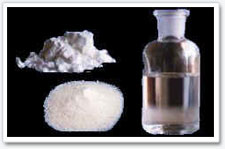
Street Name: Liquid Ecstasy
Street Price: £5 per dose
UK Users: Not known
UK Deaths per year: 3
As a sedative, a small amount makes you happy, sensual and uninhibited. There are concerns about it being used in 'date-rape', but evidence is quite low, with few cases reporting GHB as being used (because you can smell it, it is not an easy drug to hide). The difference between GHB for 'a buzz' and a dose that can kill you is barely noticeable. When it is mixed with alcohol - it can be fatal.
17) GHB (gamma-Hydroxybutyric acid) : Class C
Street Name: Liquid Ecstasy
Street Price: £5 per dose
UK Users: Not known
UK Deaths per year: 3
As a sedative, a small amount makes you happy, sensual and uninhibited. There are concerns about it being used in 'date-rape', but evidence is quite low, with few cases reporting GHB as being used (because you can smell it, it is not an easy drug to hide). The difference between GHB for 'a buzz' and a dose that can kill you is barely noticeable. When it is mixed with alcohol - it can be fatal.
 |
| Anabolic Steroids |
16) Anabolic Steroids : Class C drug
Street Price: £20 for 100 tablets
UK Users: 42,000 in England & Wales
UK Deaths: per year: 0
It is used for muscle enhancing. Abuse can cause enormous amounts of damage to the individual - from becoming sterile, high risk of liver failure and even strokes or heart attacks. Further, it can lead to increased aggression and acts of violent behaviour, in what is sometimes termed as 'roid rage'.
 |
| Methylphenidate |
15) Methylphenidate : Class B
The active ingredient in drugs such as Ritalin.
Street Name: Vitamin R
Street Price: £15 a hit
UK Users: 40,000
UK Deaths per year: 0 recorded
It is an effective treatment for ADHD sufferers. Used by around 40,000 prescription users. When used illegally, the tablets are crushed and snorted for a quick high. It's a powerful stimulant and abuse can lead to vomiting, convulsions, tremors and delirium.
14) LSD (Lysergic acid diethylamide) : Class A
Street Names: Lucy, Trips, Paper Mushrooms
Street Price: £1-5 per tab
UK Users: 83,000
UK Deaths per year: No recently recorded deaths
 It used to be a prescription drug. Initially developed as a circulatory and respiratory stimulant in the 1930's. Then in a 15 year period beginning in the 1950's, it was prescribed as a psychiatric treatment to over 40,000 schizophrenic patients worldwide. In the 1960's it was taken up by the army who tested it on their troops to see if it could be used in battle to incapacitate the enemy (see below) . Later that decade, LSD leaked out into the recreational market which panicked the establishment and was made an illegal class A drug.
LSD first acts on the brain's serotonin system, the part of the brain responsible for feelings of well-being. It subsequently acts on the pre-frontal cortex which processes some of our uniquely human abstract thoughts. It also seems to reduce communication between different brain areas, leading to a loss of inhibitions and an ability to open up, and the complex neurological effects can result in powerful hallucinations.
Many experts today believe the dangers of LSD are more faction than fact. It's physiologically non-toxic. No one has ever died of an overdose - true one or two people in the 1960's may have jumped out of windows, but that has become a myth ingrained in history.
Street Names: Lucy, Trips, Paper Mushrooms
Street Price: £1-5 per tab
UK Users: 83,000
UK Deaths per year: No recently recorded deaths
 It used to be a prescription drug. Initially developed as a circulatory and respiratory stimulant in the 1930's. Then in a 15 year period beginning in the 1950's, it was prescribed as a psychiatric treatment to over 40,000 schizophrenic patients worldwide. In the 1960's it was taken up by the army who tested it on their troops to see if it could be used in battle to incapacitate the enemy (see below) . Later that decade, LSD leaked out into the recreational market which panicked the establishment and was made an illegal class A drug.
LSD first acts on the brain's serotonin system, the part of the brain responsible for feelings of well-being. It subsequently acts on the pre-frontal cortex which processes some of our uniquely human abstract thoughts. It also seems to reduce communication between different brain areas, leading to a loss of inhibitions and an ability to open up, and the complex neurological effects can result in powerful hallucinations.
Many experts today believe the dangers of LSD are more faction than fact. It's physiologically non-toxic. No one has ever died of an overdose - true one or two people in the 1960's may have jumped out of windows, but that has become a myth ingrained in history.
 13) 4MTA (4-Methylthioamphetamine) : Class A drug.
A man-made drug created to sell purely on the street
as an alternative to ecstasy and is relatively new to the UK.
Street Names: Flat-liner, Golden Eagle.
Street Price: £1-8
UK Users: Unknown
UK Deaths per year: 0 recorded
''33 times more powerful than ecstasy''
It's dangers lie in that even though it is a stimulant, it does not produce the euphoric high that ecstasy does. So users take more of it thinking it hasn't worked which can lead to overdose.
12) Solvents : Legal
 |
| From glue, to paint, to aerosols |
UK Users: 30,000
UK Deaths per year: 50-60 (including first time users)
A lot more dangerous than people realise. The misuse of solvents is widespread. They can be inhaled so they get into the lungs very quickly. Many have toxic chemicals and can have a very toxic effect on the heart. Somewhere between 5 and 20 children per year die of the heart stopping after solvent inhalation.
Scientists placed a mixture of legal and illegal drugs in the bottom half of the chart. But at number 11 they reached a crucial turning point with the U.K's most commonly used illegal drug.
11) Cannabis : Class B

Street Names: Dope, Hash
Street Price: £40-140 per ounce
UK Users: 3 million
UK Deaths per year: 1
When smoked, it hits the brain almost immediately affecting cannabinoid receptors present everywhere in the brain. Small doses lead to euphoria, relaxation, and pain relief. With high doses it can bring on paranoia and short term memory loss. It can also lead to some form of dependency and more recently linked to lung cancer.
Some scientists have explored long term use and psychosis. The THC in cannabis may be linked to psychotic behaviour. This compound is being used to see if it can recreate similar symptoms in healthy volunteers to those suffered by schizophrenics. Schizophrenia is a psychiatric illness in which patients will experience a range of bizarre phenomenon, such as delusions (e.g. that some agency is out to get them) and with subjects often hearing voices.
''For young people it's catastrophic to include into the diet, psychoactive drugs - their brains are still developing and no where near mature'' ~ Marsden, J.

10) Buprenorphine : Class C opiate
Street Names: Subbies, Temmies
Street Price: £2 a dose
UK Users: Unknown
UK Deaths per year: 2
 It is normally used for severe pain and as a treatment for heroin dependency (used as an injectable pain killer and when taken orally it can block the effect of heroin). It is used illegally because of its euphoric and hallucinogenic effects. Without medical guidance, it is highly addictive and being a strong opiate - it can very easily lead to an overdose.
9) Tobacco :
Price: €9+ per pack
UK Users: 10 million+
UK Deaths per year: 114,000
 The most deadly drug in the UK. It kills one fifth of the population and reduces life expectancy on average by 10 years. It causes 40% of all hospital illnesses and it is one of the most addictive drugs available - and yet it remains legal.
Smoking alone kills more than drugs, alcohol, HIV, suicide, homicide and car crashes combined. Approximately 1 in 3 lifelong smokers will die from smoking. Probably the most addictive substance there is.
The reinforcing
actions of nicotine are very similar to those of cocaine and amphetamine. However,
the psychopharmacological and behavioural actions of nicotine appear to be much
more subtle than those of cocaine.
Dependence on
nicotine causes a withdrawal syndrome characterized by craving and agitation,
reminiscent of but less severe than that experienced by a stimulant abuser in
withdrawal.
Cigarettes today are so common that they're molded into the fabric of our daily life.
Cigarettes today are so common that they're molded into the fabric of our daily life.
Instead of the
longer and much more intense euphoria of cocaine, the pleasure of nicotine is a
desirable but small boost in the sensation of pleasure ("minirush"),
followed by a slow decline until the nicotinic receptors switch back on and the
smoker takes the next puff or smokes the next cigarette.
8) Amphetamine : Class B
 Street Names: Speed, Whizz, Dexies, Billys.
Street Price: £8-12 a wrap.

UK Users: 430,000 UK Deaths per year: 35
As a stimulant, it can make the user feel more energetic and confident. When abused, they can become incredibly addictive. As tolerance builds up - consumption increases, leading to paranoia and depression; and with heavy use bringing on panic attacks and violent mood swings.

7) Benzodiazepine : e.g. Valium
Street Names : Benzos, Downers
Street Prices : £1
UK Users: 100,000
UK Deaths per year: 406
They are minor tranquilisers, used for treating anxiety under prescription along with insomnia and seizures. After a few months they can cause dependence and side effects. When illegally abused, they can lead to memory loss, nausea, anxiety and depression. Consumed with alcohol, they are often fatal.
Withdrawal from Benzos is analogous to the withdrawal of heroin. It should not be taken casually.
6) Ketamine : Class C
 Street Names: Special K, Vitamin K
Street Prices: £30+ per gram
UK Users: 100,000
UK Deaths per year: 1 recorded
 Normally used as a horse tranquilizer, it has very strong pain killing effects - but has become illegally popular because it is a strong hallucinogen. It looks like cocaine and is snorted similarly. Effects include; numbness, altering reality, and dissociation from your surroundings.
It falls into 6th place on this list because in high doses it results in heart failure and even stopped breathing. It's particularly dangerous if it is mixed with any depressant drugs including alcohol. Prolonged use can lead to psychological dependence and psychosis.
5) Alcohol : Legal
Price: £1+
UK Users: 40 million (2 thirds of UK population)
UK Deaths per year: 40,000
More harmful than ecstasy, LSD, tobacco, 5 Class A's and 11 illegal drugs. Something which kills more people than all of the illegal drugs on this list combined. And which is nevertheless used by the majority of the UK population. Around since the earliest days of civilization, alcohol is the biggest public health problem faced today. There are currently over 180,000 alcohol related hospital admissions each year and deaths have nearly doubled in the past decade. Around 40% of Accident and Emergency admissions are down to alcohol and the cost to the NHS is up to £1.7 billion per year and yet the drinking continues.

Another US study attributed over half of all fatal car accidents, homicides and suicides to occur under the influence of alcohol.
It is the only drug that we actively encourage people to use, which we under-price, sell aggressively and yet we pick up the consequences and damage all the time.
Alcohol is a sedative and it's effects are seen on the brain in five minutes. It affects several neurotransmitters, including GABA and also dopamine, which is found in large quantities in the brains reward pathway. Stimulation of this system not only causes pleasure but also gives alcohol its addictive qualities. Alcohol also acts as a depressant and at low doses removes inhibitions making the person more sociable and talkative. As doses increase, speech begins to slur, it effects coordination, and can bring on nausea and vomiting. Long term use can lead to damage of the heart, liver, and stomach.
If alcohol was invented today, it would certainly have a lot more sanctions on it than it currently has. It probably would be even classified up to an A level.
Alcohol can ruin relationships, jeopardise health, and pretty much put your dreams on hold.
 4) Street Methadone : Class A
Street Names: The Precious, Slime, Green.
Street Price: £10 per 100ml
UK Users: 33,000 illegal users
UK Deaths per year: 295
''A drug solution to a drug problem'' ~ Loose, R.
An opiate drug similar to heroin, but ''less addictive''. Prescribed medically, it reduces the withdrawal effects of heroin and tends to lead to a reduction in heroin use. A very small amount for someone who is not used to taking it can be fatal. Because there is no rush like heroin, when you take it you can overdose easily without ever feeling high.
80% of people presenting to methadone clinics in Ireland are already Hepatitis C positive
~ Crown, 2013
3) Barbiturates : Class B

Street Names: Pink Ladies, Red Devils
Street Price: £1-2 per tablet
UK Users: Unknown
UK Deaths per year: 20
It used to be prescribed for depression, anxiety and insomnia. When used illicitly, it can make the user feel relaxed, sociable and good humoured. The problem with barbiturates and the reason they place high on the list - if you take an overdose, you are very likely to die. The small difference between a normal dose and an overdose makes them a highly dangerous drug. If you take an overdose of barbiturates, it'd be like taking an overdose of alcohol - they both work on the same parts of the brain to stop you breathing. They're so dangerous that their medical use has dramatically reduced. Nowadays they are only prescribed to treat very severe insomnia.
2) Cocaine : Class A
 Street Names: Charlie, Coke, Base
Street Price: £30+ (Powder) / £10+ (Crack Rock)
UK Users: 780,000 in England and Wales alone
UK Deaths per year: 214 recorded deaths
A stimulant drug often associated with glamour, money, and fame. The two kinds of cocaine: the powder form which is snorted and also the rock form 'crack cocaine', which is a smokeable version. 'Crack' delivers a more intense high but for a shorter period of time. It has a 'mainlining' effect and it goes straight to the brain, where it affects the reuptake of dopamine. The most intense high comes from inhaling the cocaine vapour, either by 'freebasing' (heating cocaine with flammable solvents like ether), or using crack; pre-packaged, rock-like chunks of cocaine freebase.
During the 1980's, the use of crack sky-rocketed. It's cheaper, more readily available and provides a high that too many find irresistible. Unlike heroin and methamphetamine, powder cocaine users neither fall into a stupor nor hallucinate. While cocaine that is snorted reaches the brain in 3 to 4 minutes, smoking cocaine provides the fastest and most intense high. It only takes about 8 seconds for the drug to be absorbed into the brain from the lungs. The result: a euphoric state so intense that patients often describe it in sexual terms.
1) Heroin : Class A
Street Names: Gear, Smack, Brown, Skag
Street Price: £10-20 a bag
UK Users: 300,000
UK Deaths per year: 700
If your homeless, in and out of prison, no job, numerous problems in your life - then heroin use makes absolute sense. Because it's a pain killer, it wraps people in a bubble where the pain of life can't get to you.
 Rated the most harmful drug. Either injected or smoked, heroin is used both as a pain killer and as a recreational drug. It works on the reward pathway, which is why it is intensely habit forming. Withdrawal from cocaine may be more psychological, but with heroin withdrawal is extremely physical.
The thoughts of withdrawal is what poisons the outlook of the opiate addict.
When injected it can produce a fast and strong feeling of euphoria, which is akin to an orgasm. It affects Opioid receptors in the brain. One dose can last from 1 to 3 hours. As it effects the part of the brain that controls breathing, an overdose can be fatal.
''It is a drug that has a very fierce dependence liability, once created, the sense of heroin dependence is very difficult to shift'' ~ Marsden, J.
_____________________________________________________________________________________________________________________
''Whether you sniff it, smoke it, eat it, or shove it up your ass, the result is the same: addiction''
~ William S. Burroughs
Withdrawal from Benzos is analogous to the withdrawal of heroin. It should not be taken casually.
6) Ketamine : Class C
 Street Names: Special K, Vitamin K
Street Prices: £30+ per gram
UK Users: 100,000
UK Deaths per year: 1 recorded
 Normally used as a horse tranquilizer, it has very strong pain killing effects - but has become illegally popular because it is a strong hallucinogen. It looks like cocaine and is snorted similarly. Effects include; numbness, altering reality, and dissociation from your surroundings.
It falls into 6th place on this list because in high doses it results in heart failure and even stopped breathing. It's particularly dangerous if it is mixed with any depressant drugs including alcohol. Prolonged use can lead to psychological dependence and psychosis.
5) Alcohol : Legal
Price: £1+
UK Users: 40 million (2 thirds of UK population)
UK Deaths per year: 40,000
More harmful than ecstasy, LSD, tobacco, 5 Class A's and 11 illegal drugs. Something which kills more people than all of the illegal drugs on this list combined. And which is nevertheless used by the majority of the UK population. Around since the earliest days of civilization, alcohol is the biggest public health problem faced today. There are currently over 180,000 alcohol related hospital admissions each year and deaths have nearly doubled in the past decade. Around 40% of Accident and Emergency admissions are down to alcohol and the cost to the NHS is up to £1.7 billion per year and yet the drinking continues.

Another US study attributed over half of all fatal car accidents, homicides and suicides to occur under the influence of alcohol.
It is the only drug that we actively encourage people to use, which we under-price, sell aggressively and yet we pick up the consequences and damage all the time.
Alcohol is a sedative and it's effects are seen on the brain in five minutes. It affects several neurotransmitters, including GABA and also dopamine, which is found in large quantities in the brains reward pathway. Stimulation of this system not only causes pleasure but also gives alcohol its addictive qualities. Alcohol also acts as a depressant and at low doses removes inhibitions making the person more sociable and talkative. As doses increase, speech begins to slur, it effects coordination, and can bring on nausea and vomiting. Long term use can lead to damage of the heart, liver, and stomach.
If alcohol was invented today, it would certainly have a lot more sanctions on it than it currently has. It probably would be even classified up to an A level.
Alcohol can ruin relationships, jeopardise health, and pretty much put your dreams on hold.
 4) Street Methadone : Class A
Street Names: The Precious, Slime, Green.
Street Price: £10 per 100ml
UK Users: 33,000 illegal users
UK Deaths per year: 295
''A drug solution to a drug problem'' ~ Loose, R.
An opiate drug similar to heroin, but ''less addictive''. Prescribed medically, it reduces the withdrawal effects of heroin and tends to lead to a reduction in heroin use. A very small amount for someone who is not used to taking it can be fatal. Because there is no rush like heroin, when you take it you can overdose easily without ever feeling high.
80% of people presenting to methadone clinics in Ireland are already Hepatitis C positive
~ Crown, 2013
3) Barbiturates : Class B

Street Names: Pink Ladies, Red Devils
Street Price: £1-2 per tablet
UK Users: Unknown
UK Deaths per year: 20
It used to be prescribed for depression, anxiety and insomnia. When used illicitly, it can make the user feel relaxed, sociable and good humoured. The problem with barbiturates and the reason they place high on the list - if you take an overdose, you are very likely to die. The small difference between a normal dose and an overdose makes them a highly dangerous drug. If you take an overdose of barbiturates, it'd be like taking an overdose of alcohol - they both work on the same parts of the brain to stop you breathing. They're so dangerous that their medical use has dramatically reduced. Nowadays they are only prescribed to treat very severe insomnia.
2) Cocaine : Class A
 Street Names: Charlie, Coke, Base
Street Price: £30+ (Powder) / £10+ (Crack Rock)
UK Users: 780,000 in England and Wales alone
UK Deaths per year: 214 recorded deaths
A stimulant drug often associated with glamour, money, and fame. The two kinds of cocaine: the powder form which is snorted and also the rock form 'crack cocaine', which is a smokeable version. 'Crack' delivers a more intense high but for a shorter period of time. It has a 'mainlining' effect and it goes straight to the brain, where it affects the reuptake of dopamine. The most intense high comes from inhaling the cocaine vapour, either by 'freebasing' (heating cocaine with flammable solvents like ether), or using crack; pre-packaged, rock-like chunks of cocaine freebase.
During the 1980's, the use of crack sky-rocketed. It's cheaper, more readily available and provides a high that too many find irresistible. Unlike heroin and methamphetamine, powder cocaine users neither fall into a stupor nor hallucinate. While cocaine that is snorted reaches the brain in 3 to 4 minutes, smoking cocaine provides the fastest and most intense high. It only takes about 8 seconds for the drug to be absorbed into the brain from the lungs. The result: a euphoric state so intense that patients often describe it in sexual terms.
A subjective
experience that may follow the euphoria is a sense of "crashing," characterized
by craving more cocaine and accompanied by agitation and anxiety, giving way to
fatigue, depression, exhaustion, hypersomnolence, and hyperphagia. After
several days, if another dose of cocaine is not taken, the chronic abuser may experience
other signs of withdrawal, including anergy, decreased interest, anhedonia, and
increased cocaine craving.
1) Heroin : Class A
Street Names: Gear, Smack, Brown, Skag
Street Price: £10-20 a bag
UK Users: 300,000
UK Deaths per year: 700
If your homeless, in and out of prison, no job, numerous problems in your life - then heroin use makes absolute sense. Because it's a pain killer, it wraps people in a bubble where the pain of life can't get to you.
 Rated the most harmful drug. Either injected or smoked, heroin is used both as a pain killer and as a recreational drug. It works on the reward pathway, which is why it is intensely habit forming. Withdrawal from cocaine may be more psychological, but with heroin withdrawal is extremely physical.
The thoughts of withdrawal is what poisons the outlook of the opiate addict.
When injected it can produce a fast and strong feeling of euphoria, which is akin to an orgasm. It affects Opioid receptors in the brain. One dose can last from 1 to 3 hours. As it effects the part of the brain that controls breathing, an overdose can be fatal.
''It is a drug that has a very fierce dependence liability, once created, the sense of heroin dependence is very difficult to shift'' ~ Marsden, J.
_____________________________________________________________________________________________________________________
''Whether you sniff it, smoke it, eat it, or shove it up your ass, the result is the same: addiction''
~ William S. Burroughs
Subscribe to:
Posts (Atom)