What is this thing you call substance abuse? All I wanna do is forget and get loose. Drinking and smoking over and over What's so great about a life that's sober?
- Benjamin Alire Sáenz, Last Night I Sang to the Monster
To guard adolescents against high risk behaviours such as substance abuse, they need to be surrounded by the right environment, a cohesive-supportive family, positive adult role-models, and schools that respond to the student's academic and social needs.
Benjamin Franklin ~ 'An ounce of prevention is worth a pound of cure.'
For years addiction therapists and counsellors tended to be people who had been addicts themselves, these days, not so much. Drug and alcohol counsellors who have experienced addiction first-hand represent a dwindling slice of the addiction therapy community. Someone once told me that it isn't possible to become a drug addiction counsellor if you've never been addicted to drugs like heroin, cocaine and so forth. Or you wouldn't be a very good one at least. While they were no addict themselves it did get me thinking, and in a sense I could see the point through their naiveté.
I think that's probably like saying you can't help someone suffering from alcoholism because you aren't an alcoholic; or that you wouldn't be able to deal with suicide bereavement because you never tried taking your own life; or a paedophile needs to be reformed and rehabilitated by a former paedophile. I mean that may sound like a bit of a sledgehammer to crack a walnut, but their opinion is not too dissimilar.
I don't think that all addictions should have to be approached and individually tailored to the client presenting. William S. Burroughs remarked before, whether ''you sniff it, smoke it, eat it, or shove it up your ass, the result is the same - addiction''. Sure, a heroin addict is going to have a different set of circumstances when trying to avoid their substance, than say an alcoholic, who would be presented with far more opportunities to access and even come into contact with the substance they're trying to avoid. The 'availability hypothesis' states that the greater the availability of a drug in society, the more people are likely to use it and the more they're likely to run into problems with it (Thompson, 2012). The alcoholic's addiction is given extra traction by the innumerable ways society shoves it in their face. It's actively encouraged, under-priced, and sold aggressively. Sure what the hell are ye doing without a pint in yer hand?
''The essential process of addiction is the replacement of people with things. Addicts form primary relationships with objects and events, not with people. In a relationship with an object, the addict can always come first'' (Thompson, 2012).
But what's driving the addiction? It is at the end of the day a mixture between psychology and physiology. Psychologically, it's a cognitive battle. Respite only comes from changing your thinking and you won't be able to change anything if you don't change the thought patterns. But how does an addict attempt to change their biology? Physiologically, all addictions are going to have their roots in the major reward centres of the brain. The pleasure pathways. The networks that quash all the aversive psychological effort and scream far louder than most people can cope with.
Addicts go for pleasure even if it is detrimental to their lives. It is often the thoughts of withdrawal that poisons the outlook of an opiate addict. A psychological fear of an impending physiological nightmare. They can say they won't use anymore, but when the body starts to go into the initial phase of withdrawal, nothing will make sense to the person other than another hit to dampen the pain. It's cyclical. It's tragic. For some people, there really is no silver spoon but plastic spoons and dope; but heroin addicts should be treated like patients and not criminals foremost. You have to deal with person - not the crime of using heroin.
It's similar reward paths for tobacco. It has in fact been argued that giving up cigarettes is analogous to that of opiate withdrawal. But who gives a sh*t about the cigarette smokers, it's only a drug that kills over 5 million people annually worldwide. For heroin, a conservative estimate recorded 7,630 drug-induced deaths in EU member states and Norway in 2009, with the majority of these related to opiate use. It accounts for the greatest numbers of deaths related to drug use in Europe; Ireland having the highest rate of heroin use in Europe with just over 7 cases per 1000 population. There's no denying that these figures are a paltry sum in comparison to tobacco products.
''None would argue that gambling is a vice, one in which most of us indulge from time to time without harm. But as with all vices, there is the problem of overindulgence, or addiction'' (O'Brien, 1995). Often in the mire of an addiction, people become detached from the things that had a lot of meaning for them. But there's always a choice point for people. I mean gamblers know over the long term that the house will always have the edge. But does that stop them from throwing down weekly wages on bets when the electricity's gonna be cut off at home? You can bet your arse it doesn't. Right there and then, reward circuitry, pleasure, the immediacy of positive feelings. The guilt hides out back and doesn't show up till later, if at all. Same physiology.
What about sex addiction? Is this just a fancy term for promiscuity? If I was arsed I'd have researched it more, but the closest I have for now is relating to a Freud remark in the early part of the 20th century, ''Masturbation is a shortcut between desire and satisfaction, allowing the subject to by-pass the external world''. Again, replacing people - the addict wins. And win they do! To be honest if you want a good representation of sex addiction then just watch Shame with Michael Fassbender.
Then there's food addiction, I mean a lot of people nowadays have a private relationship with food, they'll hide their negative eating habits behind closed doors and comfort eat. This isn't anything new. It only takes a quick look up and down the high street to see who's wearing in public the unhealthy choices they're making in private. There's a modern plague of obesity happening in a world where 'cupcakes are the new cocaine' (Thompson, 2012). Again, it harks back to the same underlying physiological roots.
Drug use is human. It has been around since day one. It will never go away. We use addiction to resolve our problems. People are constantly chasing the semblance of happiness and we are pushed in the direction of addictive solutions (Loose, 2012). People are hooked on gadgets and technology. Billions are spent on trying to be beautiful. You're being force-fed the ''you're worth it'' type of attitude, and you god damn well better be hungry. It really is incessant. People are looking for an effect from their consumption; preferably something physical and immediate please.
Drug-use is an extremely effective way of dealing with suffering; it brings immediate relief. For some people, addiction is something that stabilises their structure, ''this is why I worked all day for old douchebag up in the insurance brokers shitbox, now I'm letting loose''. Back to reality. Sometimes however the hooks can go deep, and deeper yet again, before they know it, it's a full on marathon just to keep up. Addiction of any form is a struggle that shapes many peoples day to day lives and it's a difficult terrain to navigate. It's toxic. It's a sickness. But for a lot of people it's not about getting them to be extremely happy again or an attempt to cure. It's about getting them back to 'zero'.
I think in essence addiction is a very personal thing, not something that is the sole realm of ex-addicts. Indeed an ex heroin addict would be an excellent person to learn from in dealing with a heroin addiction. With addiction though, experts talk treatment, not cures. Edward de Bono remarked that an expert is ''someone who has succeeded in making decisions and judgements simpler through knowing what to pay attention to and what to ignore''. What can be learned from an addict is immeasurable; the patterns, the pitfalls; and the lies and excuses one will believe that stoke the furnace of addiction. So in that sense ex addicts are probably the real experts.
But there's just one little hair in the soup; the world isn't filled with ex-addicts. So to say that addiction can't be dealt with from a qualified professional angle, is quite obtuse and frankly utter nonsense.
"...addiction implies in most cases the avoidance of the social bond with other people. It is for this reason that the term a-diction is appropriate as it indicates that addiction is largely a matter of avoiding speech, language, communication, symbolisation and representation" ~ Rik Loose (from 'Addiction in Modern Times')
After hurricane Katrina in 2005, 1,836 people died and over 214,000 homes were damaged or destroyed. Many suffered depression and post traumatic stress, and as a result the demand for illegal drugs sky-rocketed. Squatters raided the abundant empty properties that now lay vacant for anything they could get their hands on. Favourites included prescription meds such as Adderall and Ritalin. Addicts described their delight at pill bottles that lay scattered in the streets after the flood waters subsided. They were now consumers of a derelict environment that was a mecca for drugs.
Before Katrina hit, over 67% of the population was African-American, one in eight did not return. One drug dealer stated that, ''after Katrina the skin colour of my clients changed'' and stating that most of his clients are now 'gutter punks' - young, white, homeless travellers.
The murder rate in New Orleans is ten times the national average. It was a violent city before the infamous storm, but with the explosion of small time drug dealers fighting over turf, violence has spread to new parts of the city.
Did the drugs flow help re-build New Orleans? Citizens found themselves awash with government relief money. Many used it to get back on their feet but some used it to self-medicate. Money that was handed out for things such as rent allowance didn't always find it's intended use. One man spending his $5000 relief money on an instalment of $2000 of marijuana to become a small time dealer.
Hurricane Katrina dramatically changed the drug trade in New Orleans. After the hurricane people were devastated and drug dealers saw this as an opportunity. New Orleans is not the city to kick a habit. Small time dealers are now scattered across the city making more drugs available to more people. Until the next hurricane, The Big Easy will remain the city that sobriety forgot.
Dystonia is a
neurological movement disorder which may affect anyone at any age. It is
characterised by involuntary muscle contractions which force certain parts of
the body into abnormal, sometimes painful, movements or postures. Dystonia can
affect any part of the body including the arms and legs, trunk, neck, eyelids,
face, or vocal cords.
The disordered
tonicity of muscles that occurs in dystonia can also be associated with
neuroleptics, a dopamine antagonist drug. This
secondary, or acquired dystonia, can
be a problem encountered specifically with the use of antipsychotic medication
(Hansen, 1997), as one side effect of these drugs is debilitating
movement disorders known as extrapyramidal symptoms (Yamamoto & Inada,
2012). Drugs that decrease the effectiveness of neurotransmission are
known as antagonists. Antipsychotic
medication blocks dopamine receptors and this in turn can lead to the dystonic reactions.
With Parkinson’s, the
disease is caused by cell death in the substantia nigra, which has dopamine
producing functions. This loss of dopamine activity
results in a decreased stimulation of the motor cortex which can lead to
movement disruptions in the body. Similarly, the dopamine
blockade effect of neuroleptic antagonists reduces the activity of transmitters
in the synapse causing involuntary muscle contractions (Hansen, 1997). Therefore
the severe disturbances of motor behaviour are often caused by the drug-induced
dysfunction of the dopaminergic extrapyramidal system, which plays a vital role
in movement control (Smelser & Baltes, 2001).
Extrapyramidal symptoms
can be categorised as acute and tardive.
Acute dystonia has a sudden onset and is often seen within the first five days
of starting an antipsychotic course of treatment. Conversely, tardive begins after a long-term use of dopamine
antagonist medication (Van Harten & Kahn, 1999).
Neuroleptic-Induced acute
dystonia can result in abnormal positioning or spasm of muscles in the head,
such as the eyes (oculogyric), neck (impaired swallowing), limbs, and trunk. Acute dystonic reactions generally disappear once the drug dose
is lowered or there is complete cessation of the antipsychotic (Yamamodo &
Inada, 2012). With tardive dystonia there is currently no
established course of treatment, however administration of clozapine has been cited
as the only drug helpful if it is tolerated by the patient.
Antipsychotic medication (or neuroleptics) are an effective treatment for people with schizophrenia. In 1952, Henri Laborit, a surgeon in Paris, was looking for a way to reduce surgical shock in his patients. Much of the shock came from the anaesthesia, and if he could find a way to use less, his patients could recover quicker. He knew that shock was a result of certain brain chemicals so he looked for a chemical to counteract these.
His administration of a drug called Chlorpromazine had a marked effect on his patients. Previously restrained and often violent patients could now make contact with others and be left without supervision. It seemed to have a calming effect without sedating his patients. It was then trialled for a number of psychiatric disorders. Some being successful, however there were side effects and drawbacks to the drug which were revealed in the passing years.
Following the introduction of first-generation (typical) antipsychotics (FGAs) in the early 1950s, there was a radical change in the therapeutic regimens for schizophrenia.
But, as noted, it soon became apparent that these antipsychotics produced serious side effects including extrapyramidal symptoms (EPS) - a distressing and debilitating movement disorder. The extrapyramidal system itself is a neural network that is part of the motor system.
Along with extrapyramidal symptoms, other side effects of FGAs included;
- Neuroleptic Malignant Syndrome (NMS), a rare, but life-threatening idiosyncratic reaction to the medication. The syndrome is characterised by muscle rigidity, fever and a sudden raised body temperature which can be fatal. Incidence rates range from 0.02 to 3%.
- Drowsiness, dry mouth, weight gain, constipation, depression.
To prevent EPS, second-generation (a-typical) antipsychotics were developed. These newer medications differed from FGAs primarily on the basis of their reduced risk of inducing EPS (Yamamoto & Inada, 2012).
Neuroleptics work via the blockade of dopamine receptors. Dopamine is one of several transmitters that act on the central nervous system, and numerous dopamine receptors have been found in the extrapyramidal system. Dopamine D2 receptors are those most strongly associated with the efficacy of antipsychotics.
Second-generation antipsychotics are effective against psychosis and, at therapeutic doses, seldom cause EPS. Their therapeutic effects are attributable to central antagonism of both serotonin and dopamine receptors, and also possibly to relatively loose binding to D2 receptors (Lehan, 2004).
Controversy still lingers over the efficacy of first and second generation antipsychotics. Second generation antipsychotics were seen as an advance in drug treatment 20 years ago when they were developed, as they had additional benefits and fewer adverse effects. However, the invention of second-generation drugs have been regarded by some as invention only, a clever manipulation by the drug industry for marketing purposes, and there is often selective publication of trials that can skew the evidence in favour of a drug preferred by the investigators. Leucht and colleagues (2008) compiled a meta-analysis titled, 'Second-generation versus first-generation antipsychotic drugs for schizophrenia'. There were 150 trials examined. In 95 of them, the second-generation antipsychotic was compared with the high-potency first-generation antipsychotic Haloperidol. The use of Haloperidol showed a bias in favour of the second-generation drugs. Because this first-generation drug is likely to be associated with a high rate of EPS. They also avoided comparison with a medium-potency FGA, because these drugs are just as efficacious as the second-generation drug.
Antipsychotic drugs differ in their potencies and have a wide range of adverse effects, with nothing that clearly distinguishes the two groups. The only second-generation antipsychotic that is better than other drugs in resisting schizophrenia is clozapine. Nevertheless, it is argued that second-generation drugs have no special a-typical characteristics, that they are no more effective, do not improve specific symptoms, are less cost effective, and have no clearly different side effects than first-generation drugs (The Lancet, 2009).
Lysergic acid diethylamide (LSD) first acts on the brain's serotonin system; the part of the brain responsible for feelings of well-being, and subsequently on the prefrontal cortex; which processes some of our uniquely human abstract thoughts. It also seems to reduce communication between different brain areas, leading to loss of inhibitions.
Dr. Ronald Sandison (1916 - 2010) was one of the first people in the U.K to use LSD in psychotherapy over 50 years ago. He remarked that it had three effects:
1) a general enhancement of 'what's going on inside'
2) a specific effect in raising forgotten memories, particularly traumatic memories
3) it seems to allow people the facility to explore those memories
Dr. Ben Sessa (pictured), consultant Psychiatrist at Bristol University, wants to pick up where Sandison left off. Dr Sessa argues that ''the role of LSD can speed up the process of breaking down the client's defences''.
Today, despite a growing belief of it's benefits among some parts of the medical community, the laws have made further use in psychotherapy almost impossible.
Sessa adds, ''I believe it can be used safely in the context of the clinical environment. If there is a possibility that LSD or other hallucinogenic drugs can have therapeutic potential in psychiatry, then I do believe they should be researched to explore this, because to leave that stone unturned is potentially closing the door on that group of patients who may benefit.''
Many experts today believe the dangers of LSD are more fiction than fact. It's physiologically non-toxic and no one has ever died from an overdose. True, one or two people in the 60's may have jumped out of windows, but that seems to have become a myth ingrained in history.
''LSD was an incredible experience. Not that I’m recommending it for anybody else; but for me it kind of – it hammered home to me that reality was not a fixed thing. That the reality that we saw about us every day was one reality, and a valid one – but that there were others, different perspectives where different things have meaning that were just as valid.''
Hawaii, behind this picture perfect paradise, lies an altered reality, where drugs are destroying peoples lives. Tourists flock to Hawaii's pristine beaches looking for a taste of paradise, but it's also one of the top 10 states for illegal drug use. For many years weed, cocaine, and heroin were the drugs of choice especially on the surf scene, but since the early 90's, crystal methamphetamine or 'Ice' has flooded this Pacific chain of eight islands.
The majority of Hawaii's 1.4 million residents live on Oahu and the Big Island. Oahu is home to the state capital Honolulu. 'The 50th state' has the highest rate of crystal meth use in the entire nation. Unlike the mainland U.S., here people from all walks of life use meth. Meth is not confined to the ghetto. Hawaiian slang for meth is 'Batu' which means 'Ice'. It's a powerful synthetic stimulant produced from ephedrine or pseudoephedrine, a drug that can be found in cold and allergy medicines. It has a pretty much instant effect. Meth users experience an intense rush which can keep them up for days and frequently leads to paranoia and psychosis. The meth increases energy and users often exhibit repetitive obsessive behaviour.
In the late 80's, Asian gangs used Hawaii as a testing ground for meth and the drug quickly became popular. Crystal meth abuse costs the Hawaiian economy $500,000,000. In Hawaii, the U.S. DEA leads the fight against the drug. Ice consumes more law enforcement resources than all the other drugs combined. 51% of cases here are directly related to methamphetamine. A conviction for trafficking crystal meth can carry a 20 year prison sentence and a 20 million dollar fine! But with huge profits at stake, many are willing to risk life behind bars.
The Hawaiian islands are experiencing a meth epidemic. In recent years, the state has seen a shift in the drug supply chain from Asia to Mexico. In the early 1990's, it was coming over from Asia, but in the mid 90's it started to transform and the Mexican drug cartels started to take over. Simply because it's easier to traffic Ice across the U.S. - Mexican border than to smuggle it from Asia. Mexican drug gangs now control over 70% of the U.S meth market.
In 2011, drugs worth $531,285,893 were seized. The majority of drugs are imported, but the mainland is nearly 2,500 miles away, so dealers demand sky high prices. Honolulu international airport being the main gateway for drugs into the Hawaiian islands, approximately 90% of meth seized on Oahu arrives here. One of the other ways traffickers like to bring narcotics in, is through cargo. The Hawaiian islands import 85% of everything they need so drugs are easy to hide. Between 2007 and 2010, seizures of Ice increased by 89% and wholesale prices dropped, reflecting an increased availability of the drug.
Hawaii's Pacific Ocean location is 2,500 miles to the nearest drug production hub. Shipping narcotics to the island chain, Mexican cartels can make huge profits. In the state capital Honolulu, dealers sell at vastly inflated prices.
With drugs infused into Hawaiian society, and not everyone able to afford rehab, one of Hawaii's leading judges is transforming the judicial system; Judge Steven Alm, 'Hope' probation creator,
''Of the U.S., Hawaii is always one of the lower states for violent crime, usually in the bottom 10, but Hawaii is almost always in the top 5 for property crimes, such as thefts, burglaries, and stealing from tourists cars, and we are convinced that is because of our large drug problem. I would estimate between 80 to 85% of the cases in court involve drugs or alcohol''.
At the original sentencing, the judge has the choice of either sending somebody to prison for a number of years or putting them on probation - supervision in the community. The problem is that on regular probation, when people have tested positive for drugs there are no real consequences. 58.8% of men arrested in Honolulu tested positive for meth in 2011.
Judge Alm is changing the probation system so that there are direct and immediate consequences for drug use. If you test positive on probation for drugs on the 'Hope' probation scheme, you will go to jail that day (for a few days). Currently there are about 2000 felony probationers in 'Hope'.
''We had top quality research done on the programme, people in 'Hope' who are on the drug test hotline (random checks for those on probation) tested positive 72% less often than the people on regular probation; they got arrested for new crimes 55% less often than those on regular probation; and they got their probation revoked and were sent to prison 53% less often''.
With fewer people going to prison, the program is saving the state a hundred million dollars and helping to transform the lives of people who may otherwise have been homeless, in jail, or dead. While the demand exists and big profits can be made, there will however always be people willing to risk jail to supply 'Drugs Inc. Hawaii'.
Krokodil, or crocodile, is Russia's deadliest designer drug. The average user of krokodil, a dirty cousin of morphine that's spreading like a virus among Russian youth, does not live longer than two or three years, and the few who manage to quit usually come away badly disfigured.
The active component is codeine, a widely sold over-the-counter painkiller that is not toxic on its own. But to produce krokodil, whose medical name is desomorphine, addicts mix it with ingredients including gasoline, paint thinner, hydrochloric acid, iodine and red phosphorous, which they scrape from the striking pads on matchboxes. The high lasts about an hour and a half, and it takes about an hour to cook it. It is around 8-10 times more potent than morphine.
In 2010, between a few hundred thousand and a million people, according to various official estimates, were injecting the resulting substance into their veins in Russia. It is so far the only country in the world to see the drug grow into an epidemic, primarily due to the difficulties users have in procuring heroin. Predictably, it has spread the fastest in the poorest and most remote parts of the country, like Vorkuta.
Pavlova, an ex-user remarks, ''The winters there last eight months of the year and the young people are in a constant state of boredom. Most of them drink and few of them work, the same as in hundreds of towns and villages across Russia's frozen north. Besides her, Pavlova says there were about a dozen krokodil addicts she hung around with, including her brother. "Practically all of them are dead now," she says. "For some it led to pneumonia, some got blood poisoning, some had an artery burst in their heart, some got meningitis, others simply rot."
The "rotting" explains the drug's nickname. At the injection site, which can be anywhere from the feet to the forehead, the addict's skin becomes greenish and scaly, like a crocodile's, as blood vessels burst and the surrounding tissue dies. Gangrene and amputations are a common result, while porous bone tissue, especially in the lower jaw, often starts to dissipate, eaten up by the drug's acidity.
As the number of users continues to rise, despite the widely known symptoms, the Russian government is struggling to get the situation under control.
Just like Xylazine in Puerto Rico, Russia's own private drug hell is gaining momentum with the latest in a new strain of illegal narcotics.
________________________________________________________________________
Illicit use of Methamphetamine began in the United States in the 1960’s. During that time clandestine labs began the production of speed, commonly known then as ''crank,'' and distribution began to spread throughout the United States via motorcycle gangs. Bikers who made their own meth used to call it crank because they hid the drug in the crank cases of their motorcycle engines.
Clandestine Chemistry
In the 1980's, common cold medicines such as pseudoephedrine (hydrochloride), and Sudafed (the common nasal decongestant), were becoming increasingly popular on the shelves in pharmacies. The medication dried up sinuses and provided a jolt of energy. Before long, drug dealers found a way to transform the medicine into meth.
Crank isn't as clean or pure. This powdered meth is often cut with something else making it much less pure and thus less effective. The user has to ingest much more for the same effect crystal methamphetamine would give them.
By the late 1990's it seemed that meth was being cooked up everywhere and in two years 35,000 meth labs were busted in the United States. Today, medicines such as ephedrine tablets now require prescriptions. While homemade productions in the U.S. have significantly dropped, the supply has not.
Cocaine is a global business. From coca farmers in Columbia, to trafficking cartels in Mexico, to crack slingers in Miami, to cocaine dealers in London, the supply chain of cocaine stretches around our world. For some cocaine is a way of life. Producers, traffickers, dealers, users, scientists, and cops are all part of this 300 billion dollar global industry.
Crack Powder
Cocaine, a powerful stimulant that produces feelings of intense pleasure and wellbeing, is used in two main forms. Cocaine powder, snorted predominantly by middle class and up. Many of whom would believe that it's non-addictive and can enhance both work and play. Crack cocaine is sold in rock crystal form that can be heated and inhaled or smoked. It is called 'crack' in reference to the cracking sound it makes when it is heated. It appeals to a lower class cohort due to it's price and availability and it delivers an intense high. However, smoking crack follows the laws of diminishing returns, the euphoria delivered by the first hit from a crack pipe is always the greatest. Users continue to smoke in an attempt to recapture the impact of that first hit.
The United Nations World Drug Report declares that there are up to 20 million cocaine users worldwide, with the majority snorting cocaine. Crack cocaine first emerged in 1984. Up until then, cocaine costing $100 per gram was seen as a drug that was the preserve of the rich. Crack revolutionised the cocaine business by offering a cheap, yet intensely powerful high for as little as $5. It soon swept through America's inner cities. Within a year, 5.5 million people had succumbed to this new addiction.
Cocaine has long been seen as
synonymous with a glamorous lifestyle
On the other side of the Atlantic in the U.K., crack cocaine has never really become as popular. The British population lean towards powdered form and use more than any other nation in Europe (EU Drug Agency Report). In the 1990's the appetite for cocaine in the U.K. exploded. Seen as a glamorous drug that enabled users to work and play harder and longer, cocaine became the drug of choice for Britain's middle class. Today, an estimated 38 tonnes of cocaine is being consumed in the U.K. each year.
Around the world there are an estimated two million people working as cocaine dealers. Selling cocaine in crack form can provide a good living but few make a fortune. The big fish are the traffickers who supply the dealers with the 900 tonnes of cocaine produced each year. They earn millions smuggling large shipments across international borders.
Cocaine dealt on the streets of London comes from the other side of the globe. From Columbia, cartels ship their product to depots they've built in Guinea Bissau, West Africa. The cocaine is then trucked to Morocco and into Spain, where it is sold to British traffickers who load it on trucks that are sent to the U.K. by ferry. Out of ten trucks, two are usually expected to be caught.
The cocaine trade wreaks havoc on countries around the world. Cash from the sale of coke has financed coups in Bolivia, fuelled guerrilla wars in Nicaragua and Columbia, and threatens the stability of the Mexican state today.
Every year 51 billion dollars worth of cocaine floods across the border into the United States. Mexican cartels purchase cocaine from Columbia where over half of the world's cocaine is produced. The cocaine produced by peasant farmers in Columbia is smuggled across the international borders by traffickers. Sold on city streets by dealers and to be snorted by the 1.9 million regular American users of cocaine. 360,000 of these are hard-core crack addicts. 25% of Americans who have used cocaine in the past year will develop a problem with it. Some will end up in prison and many will seek help for addiction.
Since 9/11, the U.S. department of homeland security reinforced it's border with Mexico by building hundreds of miles of fences and installing license plate readers at all points of entry. It's also increased border patrol units on land, sea, and air.
By the turn of the century, a wave of violence had spread through northern Mexico. The drug cartels fought each other for cocaine trafficking routes into the United States. In 2006 Felipe Calderon was elected president of Mexico. He pledged to take on and defeat the cartels responsible for plunging Mexico's northern cities into anarchy.
Felipe Calderon
Calderon dispatched state police and troops to crack down on the operations of the cartels. When Eduardo Arellano Felix (Tijuana Cartel) was arrested, the leadership vacuum sparked a war for control of the cartels and their drug smuggling routes into the U.S. With many looking to be 'top dog', the war is brutal. In the 3 years following Calderon's election, another 15,000 people are gunned down.
However, the deaths don't deter people from entering into the illegal and violent drug trafficking business. There were hundreds eager to step into Eduardo's shoes and take over his trafficking routes by undermining his position. Up to 2013, the Mexican drug war has cost the lives of 60,000 people, with other reports putting it as high as 100,000 due to missing persons.
For the best part of the last 25 years, governments around the world have been fighting a war against cocaine. In Columbia, the American government has financed an eradication operation to reduce cocaine production in the country by 50%. Since 2000, the U.S government has poured five billion dollars into these eradication missions of cocaine superlabs, all to little effect. The amount of cocaine manufactured in Columbia remains the same today as at the beginning of the century.
No matter how many dealers are arrested, there will always be somebody else eager to take their place. Where there is demand, there will be a supply. Today, more cocaine enters the U.S. than ever before, with an army of dealers selling it to America's 7 million users and addicts. The war is relentless and the vast profits made from cocaine will undoubtedly continue to finance this global drugs business for the foreseeable future.
___________________________________________________________________________________________________________________ ''Cocaine is God's way of saying you're making too much money''. ~ Robin Williams
In 2006 at the Brookhaven National Laboratory, New York, a set of experiments was conducted to discover the true nature of cocaine addiction. Mexican born scientist, Prof Nora Volkow, is one of America's leading specialists on drug addiction. She's on a personal mission to understand the cause of addiction, driven by memories of her alcoholic uncle. ''He was rejected by the system...not even being accepted from the perspective of him having a medical disease''.
Prof. Nora Volkow
What fascinates Prof Volkow is the nature of cocaine addiction. As late as the 1980's, many scientists and politicians believed cocaine was non-addictive, and she wants to prove them wrong.
She took fMRI images of people under the influence of cocaine to try and identify areas of the brain, and the proteins in the brain that get disrupted by use of drugs in people that lose control of their drug intake at the expense of everything else in their life.
Her images showed that cocaine changes the brains structure. ''Repeated exposure produces changes in the way that the brain gets connected, and functions that result in pathological behaviour'', and this is why she argues in favour of it being regarded as a disease.
Trying to understand the nature of this disease, Prof Volkow scanned hundreds of users and ex-users. While scanning the brains of ex-users she noticed an irregularity. When subjects were discussing cocaine their dopamine levels rose. She argues that you could make a case that people become addicted to the lifestyle of cocaine use. Their brains have started to respond to the lifestyle, that is; the environment, their friends, and their situations. Her team later conducted experiments to test the theory.
Subjects were placed in an fMRI scanner and shown images of people preparing and snorting lines of cocaine. Viewing the images resulted in a significant increase of dopamine levels in the brains of the subjects who were current users.
The neurological effect of cocaine
''When we exposed them with stimulants that have been linked with drugs, what we observe is a significant increase in dopamine signalling in those areas of the brain that drive the motivation of drug behaviour''.
Prof Volkow's research showed that cocaine is so addictive that simply showing images of its use is enough to increase a subjects dopamine levels and lead them into a relapse.
Law enforcement treats cocaine users as criminals rather than people suffering from a disease. Over the past ten years, the government in the U.S. has repeatedly slashed funding for drug rehabilitation programmes and increased funding for prisons. The result: a million Americans are imprisoned on drug related charges, costing the American taxpayer 12.5 billion dollars per year.
Prof Volkow believes that the government's approach of criminalising and imprisoning drug use without proper treatment is misguided and statistics support her claims. Cocaine users are likely to relapse after leaving prison and end up re-incarcerated with 40% of cocaine users and 77% of crack convicts being re-offenders. _____________________________________________________________________________________________________________________
Volkow, N.D., Wang, G.J., Telang, F., Fowler, J.S., Logan, J., Childress, A.R., Jayne, M., Ma, Y., Wong, C.J. (2006). Cocaine cues and dopamine in dorsal striatum: mechanism of craving in cocaine addiction. Journal of Neuroscience 14; 26 (24): 6583-8
Deadly and more addictive than crystal meth. A drug with horrific sleep walking side effects - the horse tranquilizer Xylazine, known on the streets of Puerto Rico as 'Anaesthesia'. It's a shocking new drug that is unique to this island. It turns users into zombies, causing them to faze in and out of consciousness even while standing on their feet.
Xylazine first began appearing on the black market in Puerto Rico's horse farming towns in early 2000. It works as a suppressant on the central nervous system. It's so strong, Puerto Rican vets normally use it to tranquilize horses for dental work and castration procedures. Xylazine is cheap and easy to purchase on the black market without a veterinary license. One 100mg bottle can cost between $60 to $80 which can turn over $5-6,000 on the street once it has been cooked and prepared.
One in seven are drug users in Puerto Rico. Often the conditions on the streets are so bad that many addicts are happy to be sent to prison just to receive treatment. It is a country that has double the murders of New York but only half the population (3.7 million). On average there's a murder every 8 hours with 80% drug related.
With 90% of the world's cocaine coming from South America, and Puerto Rico becoming the cartels preferred route into cities on the east coast of America, how long will it be before drugs like Xylazine buries it's hooks further afield? The drugs crisis in Puerto Rico is sinking to new depths, as more and more addicts join the ranks of 'the living dead', turning this paradise into a 'zombie island'
While Cartels may earn millions smuggling cocaine, the farmers who grow the coca plants from which the cocaine is extracted, are lucky to earn enough to survive. They have a choice of selling yucca plants for 40 cents a kilo or coca plants from which cocaine paste can sell from $750 per kilo. The choice is straightforward.
From mother nature to misery for millions
Cocaine paste is the base material from which the drug cocaine is refined. Only 0.5% of each leaf is cocaine. It's a long process involving a staggering concoction of chemicals. The leaves are broken down with an inexpensive mixer of cement powder and liquid fertiliser which does the job of softening the leaf. Softened leaves are placed in a drum and gasoline is added to extract the cocaine. After about 4 hours the cocaine has been extracted from the leaves and is then infused in the liquid inside the drum. To separate the leaves from the liquid, a press is used to squeeze out the cocaine infused liquid. Soda crystals are added to the liquid mixture which act as a neutralising agent. This is then heated on a stove until all the remaining liquid evaporates. The paste is left to dry overnight leaving it in a crumbly texture the following day. This paste is then sold to the cartels who will turn it into high grade cocaine powder.
Growing any other crop would condemn most to poverty. It does come with it's risks however. Everyday, Columbian special forces enter the jungles looking to eradicate illegal coca fields and arrest farmers. From planting the crop to harvest, it takes about 8 months. A waiting game that can end with nothing to yield if discovered.
Crystal, Ice, Tina, Meth, it has been around as a street drug since the 1950's. In the US, the drug hit the west coast first and moved east thereafter. Crystal meth used to be a popular drug on the rave scene, but now it's so cheap it's replacing crack as the favourite high of the down and out. However, other reports say that in some parts of the U.S, an ounce of meth is currently more expensive than an ounce of gold. But when there's a glut of it like today - prices fall.
It's an 'upper', a party drug, a super strong type of speed that's 3 and a half times more powerful than cocaine. It can be smoked, snorted, swallowed or injected directly into a vein or under the skin ('popping').
People move from crank to meth to get more 'bang for their buck'. Known as 'poor man's cocaine', a hit of meth can last up to 12 hours making it much more economical to the desperate addict.
It travels through the bloodstream to the nucleus accumbens, a central reward centre for the brain. This is a release site for the neurotransmitter dopamine, the chemical key to human pleasure.
Dopamine is a natural chemical which causes us to feel good. More dopamine means more pleasure. It's one of the ways the brain rewards behaviour that helps us survive. Food and sex being two of the highest natural pleasures. And with crystal meth, there's a sh*t load of dopamine being produced - six times more dopamine is released than the body can do on it's own. However continual use makes it difficult for long term users to get a rush of dopamine with meth or without it.
In low doses meth increases energy and in higher doses it can induce euphoria. The initial high (rush) being followed by adrenaline-like effects which kick-in, increases heart rate and can lead to ''endurance levels off the map''. As the old joke goes, 'What's the best part about being a meth addict... Only one sleep till Christmas'.
Meth combines the hyperactivity of cocaine with the delusions of LSD (e.g. 'Meth bugs'). Users often feel paranoid with some feeling that they are under constant police surveillance. Meth abuse can also lead to violent effects. In Thailand hostage situations arising from meth-use led to a crackdown in 2003, but it is still prevalent on the streets of Bangkok.
Meth is engineered to trick your brain, keep you awake, prevent hunger, and make you feel brave. Interestingly, the Japanese created the first type of meth nearly a century ago. Later a perfect opportunity arose for it's use - World War II. It was administered to help soldiers keep fighting for longer and kamikaze pilots were believed to have taken it to keep them stoked for their suicide missions.
2.5 years later
Meth is more physically damaging than crack or heroin. While under it's influence, many users feel a crawling sensation under the skin, which leads to picking and scratching that can cause open sores. Hair becomes brittle. Teeth begin to rot ('meth mouth') due to meth impeding the flow of saliva which makes it easier for bacteria to build up faster. Further, a meth addict will most likely spend their money on a hit at the expense of their dental needs Addicts are literally like zombies. The average life expectancy for a heavy meth user is 5 to 7 years.
Approximately 12 million people in America have tried meth. It is one of the most addictive substances on the planet. As much as 92% of users relapse after treatment. As the meth takes hold, addicts lives fall apart and there is destruction of entire communities. One such example is that of the Tenderloin, situated in San Francisco. San Francisco is notorious for drugs and a city saturated in meth. It was an epicentre of the 60's psychedelic revolution. The Tenderloin is one of the worst drug ghettos in the whole of America. One young woman who moved to the area was told by a resident that ''people don't come here to live, they come here to die''.
The 'loin
A 50 block area, right in the heart of downtown San Francisco, the Tenderloin has long been a notoriously violent drugs supermarket. Meth, heroin, crank, and prescription pills are assigned their own specific corners - what you want, when you want it. Few drugs however have caused as much mayhem as meth and the Tenderloin is plumbing new depths. I once heard a dealer say that ''if you can make chocolate chip cookies then you can cook meth''. Ok we're getting into Walter White territory now, but homemade productions in the US have significantly dropped but the supply has not.
Mexico has stepped up it's production, and there is now the alarming influx of an extra pure and potent 'Mexican meth' being mass produced in super-labs. This type of meth is not as diluted ('stepped on') as what would be normally found on the streets of the Tenderloin. Cutting agents such as MSM, a nutritional food supplement, is often used to bulk out the drugs size.
Asian cartels have been poisoning San Francisco with meth for almost 25 years, however their monopoly on meth is now under increasing threat from Mexico. The Sinaloa Cartel is believed to be moving into meth to reduce it's reliance on Columbian cocaine. The Mexicans sent meth into the US via routes that were already established by the cartels. Their drugs 'super-highway' running from the border of Mexico all the way up to the Bay area.
Mexico
An operation similar to that of a terrorist network. 80% of meth in the US is now supplied by the Mexican cartels, with the Sinaloa cartel estimated to make $3 billion a year from drug trafficking. Between 2007 and 2009, seizures of meth along the Mexican border increased by 87%. But for every batch lost, a dozen are believed to make it through.
It's supply and demand, and with Mexican meth now up to 90% pure and less than half the price - demand is high for 'the Devil's drug'.
A previous meth addict sums up the downfall into his love affair with a drug that is destroying lives worldwide, saying ''The drug won't bring a rapid death...you can see the shame, but you're just so high you don't care....you put your head down and walk away...it's incredible how deep the hooks go''.
It is a fact of life that people have always altered their consciousness and future generations will continue to do so. Drugs are here to stay.
Drugs are a 350 billion dollar industry. Research published in the medical journal the Lancet in 2007, rates the following as the most dangerous drugs. The problem with rank ordering drugs by harm is that some of the drugs are used in combination, however, the following is the order of harm in which science sees 20 of the UK's most dangerous drugs. The ratings were based on the following three factors, 1. What the drug does to the person who takes it. 2. How addictive is the drug. 3. What are the consequences to society.
20) Khat (green leafed shrub): makes you feel alert and energised. It is not particularly addictive or harmful but excessive consumption can lead to insomnia, impotence and high blood pressure.
UK deaths per year: 0
Price: £4 a bunch
Alkyl Nitrite
19) Alkyl Nitrite: Legal drug. Street names: Poppers, Liquid Gold.
Delivers a short, sharp high and relaxes sphincter muscles. Sniffed straight from the bottle.
Street Price: £2-6 per bottle UK Users: 400,000 UK Deaths per year: 0 recorded
18) Ecstasy :
MDMA (methylenedioxy-methylamphetamine)
The second half of that word should be a red flag to anyone.
Class A drug.
MDMA
Street Names: E, Love drug, XTC, Hug Drug.
Street Price: £1-8 a pill
UK Users: 500,000
UK Deaths per year: 27
First synthesized in 1912 by Merck chemist Anton Köllisch. it was originally patented to control bleeding from wounds. But in the 1970's it was introduced illegally into the 'dance scene'. Its ranking massively conflicts with its reputation. Hospitals rarely deal with someone presenting with problems with ecstasy. Deaths are usually due to dehydration. It's a stimulant drug and can bring on mild hallucinations. It produces feelings of euphoria, enhanced sociability, empathy & energy and causes increases in body temperature and heart-rate. It affects NMDA Glutamate receptors, and once ingested, it causes the release of the chemical messengers serotonin within the brain which is responsible for regulating mood and memory.
''Most people who take it once, take it again''.
Experts weighing up all the available evidence had little doubt that ecstasy deserved to be no higher than no. 18. All drugs are harmful to a certain extent - even Aspirin, but in terms of the risk to the individual and society, it is nowhere near the other drugs on the list. Thus it seems that it may actually be in the wrong Class.
17) GHB (gamma-Hydroxybutyric acid) : Class C
Street Name: Liquid Ecstasy
Street Price: £5 per dose
UK Users: Not known
UK Deaths per year: 3
As a sedative, a small amount makes you happy, sensual and uninhibited. There are concerns about it being used in 'date-rape', but evidence is quite low, with few cases reporting GHB as being used (because you can smell it, it is not an easy drug to hide). The difference between GHB for 'a buzz' and a dose that can kill you is barely noticeable. When it is mixed with alcohol - it can be fatal.
Anabolic Steroids
16) Anabolic Steroids : Class C drug
Street Price: £20 for 100 tablets
UK Users: 42,000 in England & Wales
UK Deaths: per year: 0
It is used for muscle enhancing. Abuse can cause enormous amounts of damage to the individual - from becoming sterile, high risk of liver failure and even strokes or heart attacks. Further, it can lead to increased aggression and acts of violent behaviour, in what is sometimes termed as 'roid rage'.
Methylphenidate
15) Methylphenidate : Class B
The active ingredient in drugs such as Ritalin.
Street Name: Vitamin R
Street Price: £15 a hit
UK Users: 40,000
UK Deaths per year: 0 recorded
It is an effective treatment for ADHD sufferers. Used by around 40,000 prescription users. When used illegally, the tablets are crushed and snorted for a quick high. It's a powerful stimulant and abuse can lead to vomiting, convulsions, tremors and delirium.
14) LSD (Lysergic acid diethylamide) : Class A
Street Names: Lucy, Trips, Paper Mushrooms
Street Price: £1-5 per tab
UK Users: 83,000
UK Deaths per year: No recently recorded deaths
It used to be a prescription drug. Initially developed as a circulatory and respiratory stimulant in the 1930's. Then in a 15 year period beginning in the 1950's, it was prescribed as a psychiatric treatment to over 40,000 schizophrenic patients worldwide. In the 1960's it was taken up by the army who tested it on their troops to see if it could be used in battle to incapacitate the enemy (see below) . Later that decade, LSD leaked out into the recreational market which panicked the establishment and was made an illegal class A drug.
LSD first acts on the brain's serotonin system, the part of the brain responsible for feelings of well-being. It subsequently acts on the pre-frontal cortex which processes some of our uniquely human abstract thoughts. It also seems to reduce communication between different brain areas, leading to a loss of inhibitions and an ability to open up, and the complex neurological effects can result in powerful hallucinations.
Many experts today believe the dangers of LSD are more faction than fact. It's physiologically non-toxic. No one has ever died of an overdose - true one or two people in the 1960's may have jumped out of windows, but that has become a myth ingrained in history.
13) 4MTA (4-Methylthioamphetamine) : Class A drug.
A man-made drug created to sell purely on the street
as an alternative to ecstasy and is relatively new to the UK.
Street Names: Flat-liner, Golden Eagle.
Street Price: £1-8
UK Users: Unknown
UK Deaths per year: 0 recorded
''33 times more powerful than ecstasy''
It's dangers lie in that even though it is a stimulant, it does not produce the euphoric high that ecstasy does. So users take more of it thinking it hasn't worked which can lead to overdose.
12) Solvents : Legal
From glue, to paint, to aerosols
UK Users: 30,000
UK Deaths per year: 50-60 (including first time users)
A lot more dangerous than people realise. The misuse of solvents is widespread. They can be inhaled so they get into the lungs very quickly. Many have toxic chemicals and can have a very toxic effect on the heart. Somewhere between 5 and 20 children per year die of the heart stopping after solvent inhalation.
Scientists placed a mixture of legal and illegal drugs in the bottom half of the chart. But at number 11 they reached a crucial turning point with the U.K's most commonly used illegal drug.
11) Cannabis:Class B
Street Names: Dope, Hash
Street Price: £40-140 per ounce
UK Users: 3 million
UK Deaths per year: 1
When smoked, it hits the brain almost immediately affecting cannabinoid receptors present everywhere in the brain. Small doses lead to euphoria, relaxation, and pain relief. With high doses it can bring on paranoia and short term memory loss. It can also lead to some form of dependency and more recently linked to lung cancer.
Some scientists have explored long term use and psychosis. The THC in cannabis may be linked to psychotic behaviour. This compound is being used to see if it can recreate similar symptoms in healthy volunteers to those suffered by schizophrenics. Schizophrenia is a psychiatric illness in which patients will experience a range of bizarre phenomenon, such as delusions (e.g. that some agency is out to get them) and with subjects often hearing voices.
''For young people it's catastrophic to include into the diet, psychoactive drugs - their brains are still developing and no where near mature'' ~ Marsden, J.
10) Buprenorphine : Class C opiate
Street Names: Subbies, Temmies
Street Price: £2 a dose
UK Users: Unknown
UK Deaths per year: 2
It is normally used for severe pain and as a treatment for heroin dependency (used as an injectable pain killer and when taken orally it can block the effect of heroin). It is used illegally because of its euphoric and hallucinogenic effects. Without medical guidance, it is highly addictive and being a strong opiate - it can very easily lead to an overdose.
9) Tobacco :
Price: €9+ per pack
UK Users: 10 million+
UK Deaths per year: 114,000
The most deadly drug in the UK. It kills one fifth of the population and reduces life expectancy on average by 10 years. It causes 40% of all hospital illnesses and it is one of the most addictive drugs available - and yet it remains legal.
Smoking alone kills more than drugs, alcohol, HIV, suicide, homicide and car crashes combined. Approximately 1 in 3 lifelong smokers will die from smoking. Probably the most addictive substance there is.
The reinforcing
actions of nicotine are very similar to those of cocaine and amphetamine. However,
the psychopharmacological and behavioural actions of nicotine appear to be much
more subtle than those of cocaine.
Dependence on
nicotine causes a withdrawal syndrome characterized by craving and agitation,
reminiscent of but less severe than that experienced by a stimulant abuser in
withdrawal.
Cigarettes today are so common that they're molded into the fabric of our daily life.
Instead of the
longer and much more intense euphoria of cocaine, the pleasure of nicotine is a
desirable but small boost in the sensation of pleasure ("minirush"),
followed by a slow decline until the nicotinic receptors switch back on and the
smoker takes the next puff or smokes the next cigarette.
8) Amphetamine : Class B
Street Names: Speed, Whizz, Dexies, Billys.
Street Price: £8-12 a wrap.
UK Users: 430,000 UK Deaths per year: 35
As a stimulant, it can make the user feel more energetic and confident. When abused, they can become incredibly addictive. As tolerance builds up - consumption increases, leading to paranoia and depression; and with heavy use bringing on panic attacks and violent mood swings.
7) Benzodiazepine : e.g. Valium
Street Names : Benzos, Downers
Street Prices : £1
UK Users: 100,000
UK Deaths per year: 406
They are minor tranquilisers, used for treating anxiety under prescription along with insomnia and seizures. After a few months they can cause dependence and side effects. When illegally abused, they can lead to memory loss, nausea, anxiety and depression. Consumed with alcohol, they are often fatal.
Withdrawal from Benzos is analogous to the withdrawal of heroin. It should not be taken casually.
6) Ketamine : Class C
Street Names: Special K, Vitamin K
Street Prices: £30+ per gram
UK Users: 100,000
UK Deaths per year: 1 recorded
Normally used as a horse tranquilizer, it has very strong pain killing effects - but has become illegally popular because it is a strong hallucinogen. It looks like cocaine and is snorted similarly. Effects include; numbness, altering reality, and dissociation from your surroundings.
It falls into 6th place on this list because in high doses it results in heart failure and even stopped breathing. It's particularly dangerous if it is mixed with any depressant drugs including alcohol. Prolonged use can lead to psychological dependence and psychosis.
5) Alcohol : Legal
Price: £1+
UK Users: 40 million (2 thirds of UK population)
UK Deaths per year: 40,000
More harmful than ecstasy, LSD, tobacco, 5 Class A's and 11 illegal drugs. Something which kills more people than all of the illegal drugs on this list combined. And which is nevertheless used by the majority of the UK population. Around since the earliest days of civilization, alcohol is the biggest public health problem faced today. There are currently over 180,000 alcohol related hospital admissions each year and deaths have nearly doubled in the past decade. Around 40% of Accident and Emergency admissions are down to alcohol and the cost to the NHS is up to £1.7 billion per year and yet the drinking continues.
Another US study attributed over half of all fatal car accidents, homicides and suicides to occur under the influence of alcohol.
It is the only drug that we actively encourage people to use, which we under-price, sell aggressively and yet we pick up the consequences and damage all the time.
Alcohol is a sedative and it's effects are seen on the brain in five minutes. It affects several neurotransmitters, including GABA and also dopamine, which is found in large quantities in the brains reward pathway. Stimulation of this system not only causes pleasure but also gives alcohol its addictive qualities. Alcohol also acts as a depressant and at low doses removes inhibitions making the person more sociable and talkative. As doses increase, speech begins to slur, it effects coordination, and can bring on nausea and vomiting. Long term use can lead to damage of the heart, liver, and stomach.
If alcohol was invented today, it would certainly have a lot more sanctions on it than it currently has. It probably would be even classified up to an A level.
Alcohol can ruin relationships, jeopardise health, and pretty much put your dreams on hold.
4) Street Methadone : Class A
Street Names: The Precious, Slime, Green.
Street Price: £10 per 100ml
UK Users: 33,000 illegal users
UK Deaths per year: 295
''A drug solution to a drug problem'' ~ Loose, R.
An opiate drug similar to heroin, but ''less addictive''. Prescribed medically, it reduces the withdrawal effects of heroin and tends to lead to a reduction in heroin use. A very small amount for someone who is not used to taking it can be fatal. Because there is no rush like heroin, when you take it you can overdose easily without ever feeling high.
80% of people presenting to methadone clinics in Ireland are already Hepatitis C positive ~ Crown, 2013
3) Barbiturates : Class B
Street Names: Pink Ladies, Red Devils
Street Price: £1-2 per tablet
UK Users: Unknown
UK Deaths per year: 20
It used to be prescribed for depression, anxiety and insomnia. When used illicitly, it can make the user feel relaxed, sociable and good humoured. The problem with barbiturates and the reason they place high on the list - if you take an overdose, you are very likely to die. The small difference between a normal dose and an overdose makes them a highly dangerous drug. If you take an overdose of barbiturates, it'd be like taking an overdose of alcohol - they both work on the same parts of the brain to stop you breathing. They're so dangerous that their medical use has dramatically reduced. Nowadays they are only prescribed to treat very severe insomnia.
2) Cocaine : Class A
Street Names: Charlie, Coke, Base
Street Price: £30+ (Powder) / £10+ (Crack Rock)
UK Users: 780,000 in England and Wales alone
UK Deaths per year: 214 recorded deaths
A stimulant drug often associated with glamour, money, and fame. The two kinds of cocaine: the powder form which is snorted and also the rock form 'crack cocaine', which is a smokeable version. 'Crack' delivers a more intense high but for a shorter period of time. It has a 'mainlining' effect and it goes straight to the brain, where it affects the reuptake of dopamine. The most intense high comes from inhaling the cocaine vapour, either by 'freebasing' (heating cocaine with flammable solvents like ether), or using crack; pre-packaged, rock-like chunks of cocaine freebase.
During the 1980's, the use of crack sky-rocketed. It's cheaper, more readily available and provides a high that too many find irresistible. Unlike heroin and methamphetamine, powder cocaine users neither fall into a stupor nor hallucinate. While cocaine that is snorted reaches the brain in 3 to 4 minutes, smoking cocaine provides the fastest and most intense high. It only takes about 8 seconds for the drug to be absorbed into the brain from the lungs. The result: a euphoric state so intense that patients often describe it in sexual terms.
A subjective
experience that may follow the euphoria is a sense of "crashing," characterized
by craving more cocaine and accompanied by agitation and anxiety, giving way to
fatigue, depression, exhaustion, hypersomnolence, and hyperphagia. After
several days, if another dose of cocaine is not taken, the chronic abuser may experience
other signs of withdrawal, including anergy, decreased interest, anhedonia, and
increased cocaine craving.
1) Heroin : Class A
Street Names: Gear, Smack, Brown, Skag
Street Price: £10-20 a bag
UK Users: 300,000
UK Deaths per year: 700
If your homeless, in and out of prison, no job, numerous problems in your life - then heroin use makes absolute sense. Because it's a pain killer, it wraps people in a bubble where the pain of life can't get to you.
Rated the most harmful drug. Either injected or smoked, heroin is used both as a pain killer and as a recreational drug. It works on the reward pathway, which is why it is intensely habit forming. Withdrawal from cocaine may be more psychological, but with heroin withdrawal is extremely physical.
The thoughts of withdrawal is what poisons the outlook of the opiate addict.
When injected it can produce a fast and strong feeling of euphoria, which is akin to an orgasm. It affects Opioid receptors in the brain. One dose can last from 1 to 3 hours. As it effects the part of the brain that controls breathing, an overdose can be fatal.
''It is a drug that has a very fierce dependence liability, once created, the sense of heroin dependence is very difficult to shift'' ~ Marsden, J.
_____________________________________________________________________________________________________________________ ''Whether you sniff it, smoke it, eat it, or shove it up your ass, the result is the same: addiction'' ~ William S. Burroughs


 But what's driving the addiction? It is at the end of the day a mixture between psychology and physiology. Psychologically, it's a cognitive battle. Respite only comes from changing your thinking and you won't be able to change anything if you don't change the thought patterns. But how does an addict attempt to change their biology? Physiologically, all addictions are going to have their roots in the major reward centres of the brain. The pleasure pathways. The networks that quash all the aversive psychological effort and scream far louder than most people can cope with.
 What about sex addiction? Is this just a fancy term for promiscuity? If I was arsed I'd have researched it more, but the closest I have for now is relating to a Freud remark in the early part of the 20th century, ''Masturbation is a shortcut between desire and satisfaction, allowing the subject to by-pass the external world''. Again, replacing people - the addict wins. And win they do! To be honest if you want a good representation of sex addiction then just watch Shame with Michael Fassbender.
  The murder rate in New Orleans is ten times the national average. It was a violent city before the infamous storm, but with the explosion of small time drug dealers fighting over turf, violence has spread to new parts of the city.

 Following the introduction of first-generation (typical) antipsychotics (FGAs) in the early 1950s, there was a radical change in the therapeutic regimens for schizophrenia.

 Dr. Ben Sessa (pictured), consultant Psychiatrist at Bristol University, wants to pick up where Sandison left off. Dr Sessa argues that ''the role of LSD can speed up the process of breaking down the client's defences''.
 The majority of Hawaii's 1.4 million residents live on Oahu and the Big Island. Oahu is home to the state capital Honolulu. 'The 50th state' has the highest rate of crystal meth use in the entire nation. Unlike the mainland U.S., here people from all walks of life use meth. Meth is not confined to the ghetto. Hawaiian slang for meth is 'Batu' which means 'Ice'. It's a powerful synthetic stimulant produced from ephedrine or pseudoephedrine, a drug that can be found in cold and allergy medicines. It has a pretty much instant effect. Meth users experience an intense rush which can keep them up for days and frequently leads to paranoia and psychosis. The meth increases energy and users often exhibit repetitive obsessive behaviour.


 Since 9/11, the U.S. department of homeland security reinforced it's border with Mexico by building hundreds of miles of fences and installing license plate readers at all points of entry. It's also increased border patrol units on land, sea, and air.


 It travels through the bloodstream to the nucleus accumbens, a central reward centre for the brain. This is a release site for the neurotransmitter dopamine, the chemical key to human pleasure.


 20) Khat (green leafed shrub): makes you feel alert and energised. It is not particularly addictive or harmful but excessive consumption can lead to insomnia, impotence and high blood pressure.

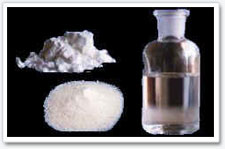


 It used to be a prescription drug. Initially developed as a circulatory and respiratory stimulant in the 1930's. Then in a 15 year period beginning in the 1950's, it was prescribed as a psychiatric treatment to over 40,000 schizophrenic patients worldwide. In the 1960's it was taken up by the army who tested it on their troops to see if it could be used in battle to incapacitate the enemy (see below) . Later that decade, LSD leaked out into the recreational market which panicked the establishment and was made an illegal class A drug.
 13) 4MTA (4-Methylthioamphetamine) : Class A drug.


 It is normally used for severe pain and as a treatment for heroin dependency (used as an injectable pain killer and when taken orally it can block the effect of heroin). It is used illegally because of its euphoric and hallucinogenic effects. Without medical guidance, it is highly addictive and being a strong opiate - it can very easily lead to an overdose.
 The most deadly drug in the UK. It kills one fifth of the population and reduces life expectancy on average by 10 years. It causes 40% of all hospital illnesses and it is one of the most addictive drugs available - and yet it remains legal.

 Street Names: Special K, Vitamin K
 Normally used as a horse tranquilizer, it has very strong pain killing effects - but has become illegally popular because it is a strong hallucinogen. It looks like cocaine and is snorted similarly. Effects include; numbness, altering reality, and dissociation from your surroundings.
 4) Street Methadone : Class A
 Street Names: Charlie, Coke, Base
 Rated the most harmful drug. Either injected or smoked, heroin is used both as a pain killer and as a recreational drug. It works on the reward pathway, which is why it is intensely habit forming. Withdrawal from cocaine may be more psychological, but with heroin withdrawal is extremely physical.
